



Common Problems

Find practical information about common movement problems, including stiffness, joint discomfort, poor posture, balance concerns, and limited mobility. Take the first step toward moving more comfortably every day.

Common Movement Problems

Everyday movement challenges can affect comfort, confidence, and independence. Find practical information to better understand common problems and ways to improve daily movement.
Adult man in green t-shirt stretching on a wooden deck outdoors, preparing for exercise.
Joint Stiffness
Understand why joints become stiff and simple ways to improve everyday mobility.
A woman performing a hamstring stretch indoors, promoting fitness and flexibility.
Muscle Tightness
Find practical tips for reducing muscle tightness and improving flexibility.
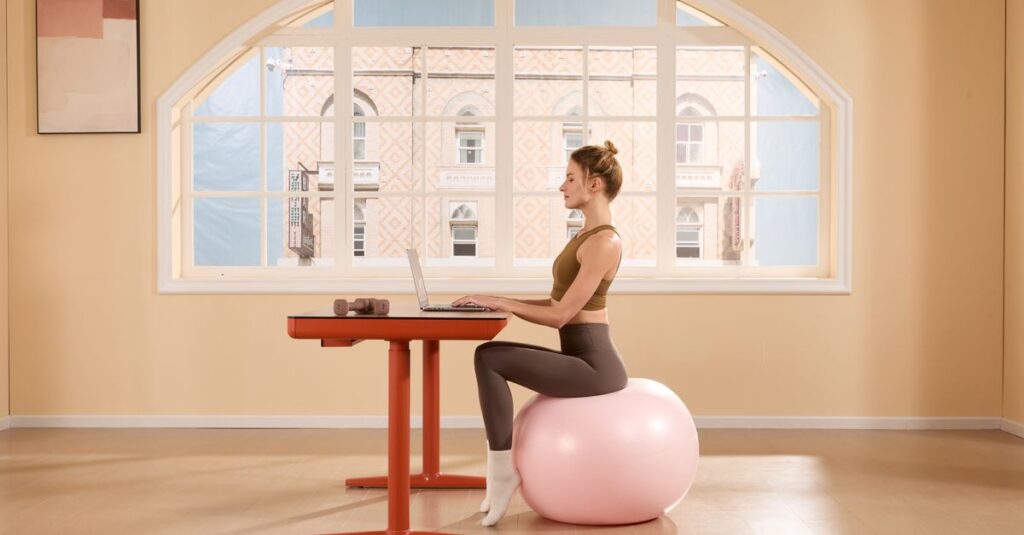
A young woman works on a laptop while sitting on an exercise ball in a bright, modern room.
Poor Posture
Improve sitting, standing, and walking posture with healthier daily habits.
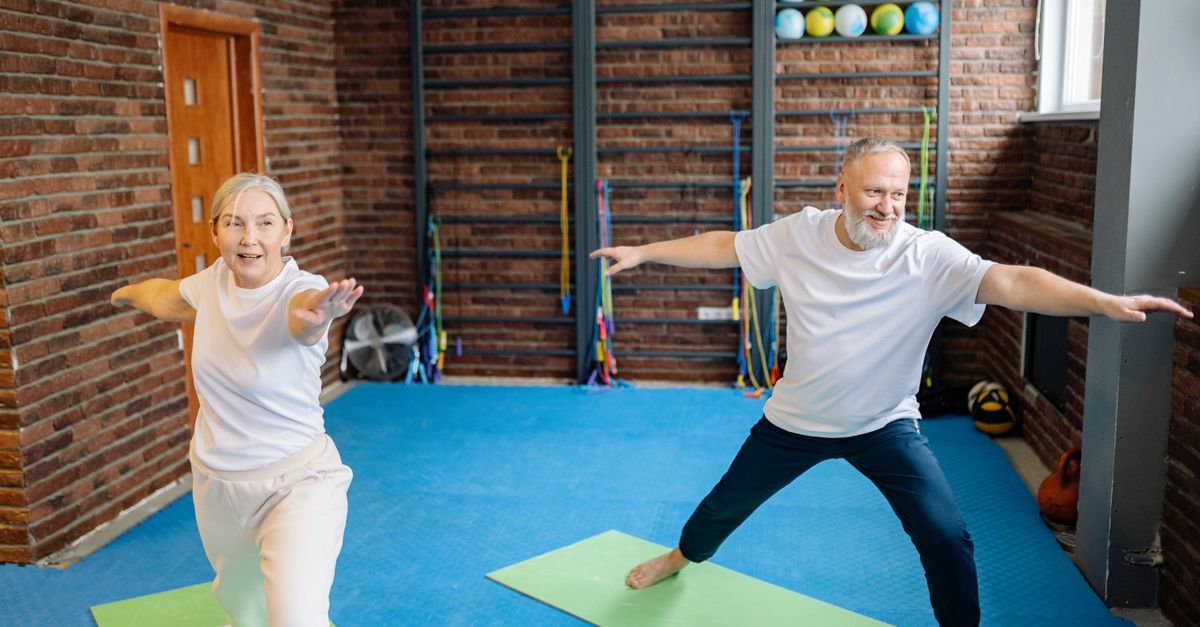
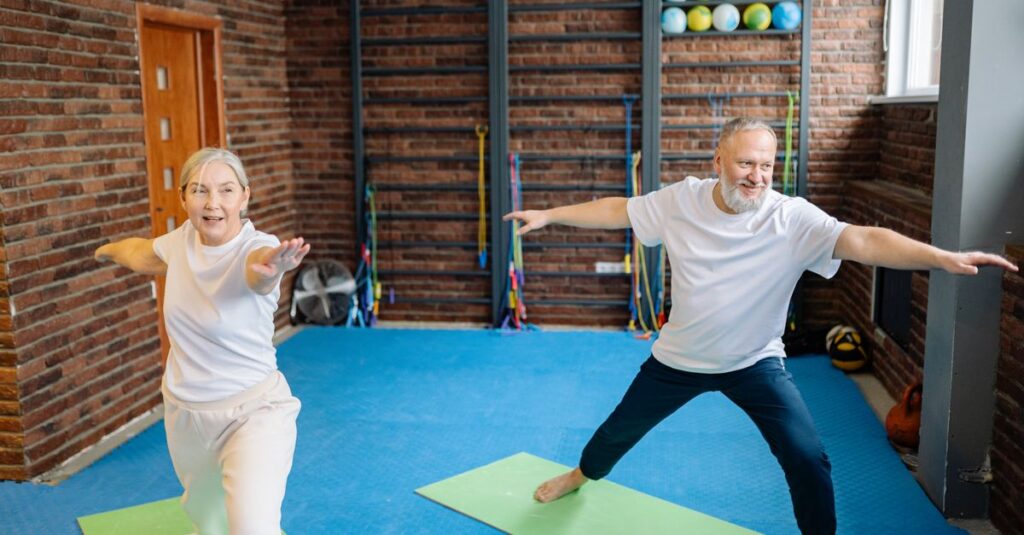
Elderly couple doing yoga poses on mats in a gym, promoting active lifestyle.
Balance & Stability
Support better balance and confidence during everyday activities.

Why Common Problems Matter

Ignoring everyday movement problems may gradually reduce comfort, confidence, and mobility. Understanding the cause is the first step toward improving how you move.

  • Reduce everyday discomfort
  • Improve joint mobility
  • Support better posture
  • Maintain strength and balance
  • Stay active with greater confidence

What You'll Find

Helpful resources that explain common movement problems and practical ways to support healthier movement every day.

  • Common symptoms explained
  • Possible contributing factors
  • Daily movement tips
  • Simple mobility exercises
  • When professional care may help

Helpful Guides

Practical guides that help you reduce discomfort, improve movement, and build healthier daily habits.
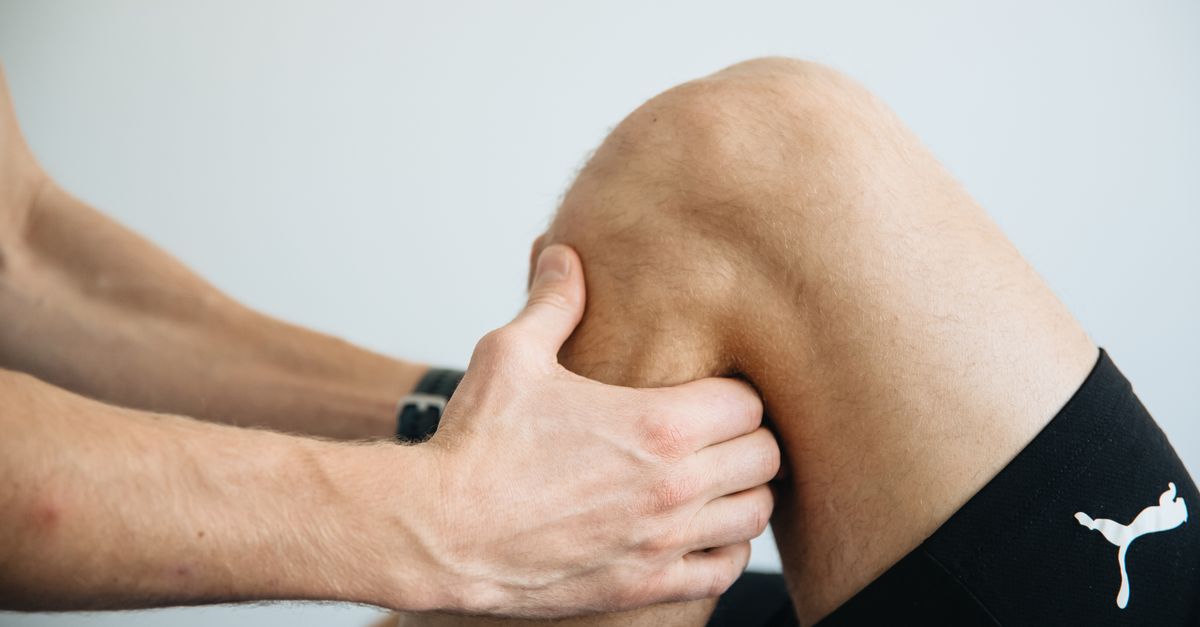
Detailed image of a physiotherapy session focusing on knee massage treatment.
Improve Joint Mobility
Simple exercises, stretching techniques, and daily habits that help improve joint mobility and reduce stiffness.
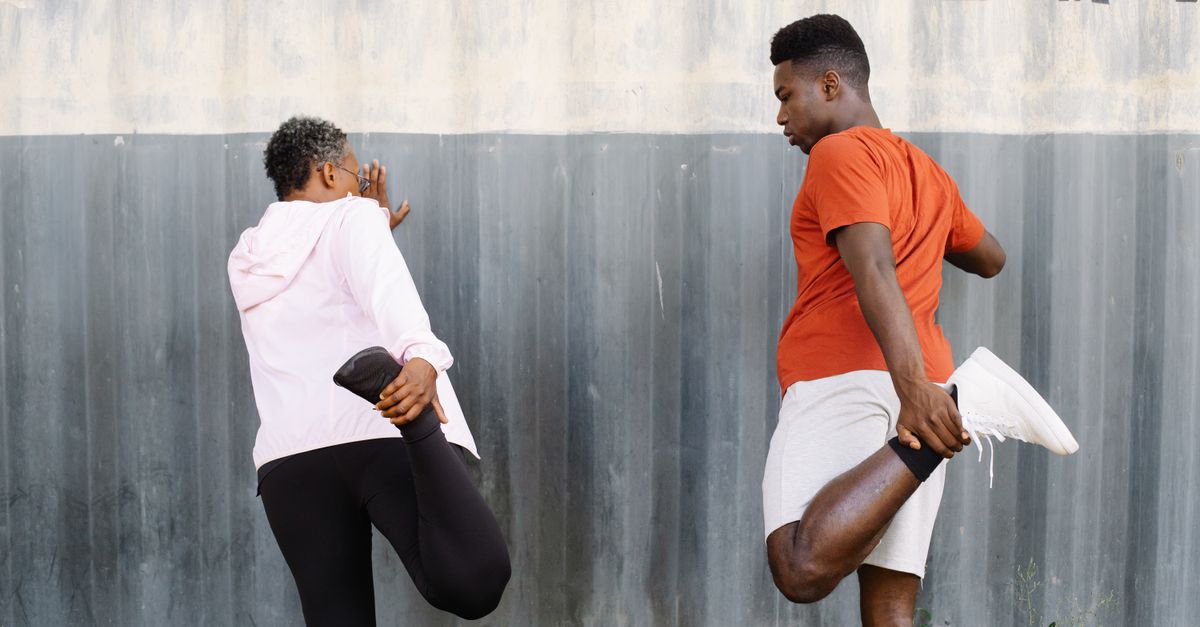
Two adults stretching outdoors with 'Queens Bridge' sign in background.
Daily Stretching Routine
Easy stretching routines that help reduce muscle tightness and support better flexibility.
African American woman typing on computer in office, focusing on work.
Better Posture Habits
Practical sitting, standing, and walking habits that support healthier posture every day.
Elderly couple doing yoga poses on mats in a gym, promoting active lifestyle.
Balance Training Exercises
Simple balance exercises that help improve stability, confidence, and everyday movement.

Latest Articles

No posts found.

F.A.Q.

Joint stiffness can be caused by aging, inactivity, overuse, injury, arthritis, or prolonged sitting. Regular movement and stretching may help improve joint mobility for many people.
Muscle tightness often develops after repetitive activities, long periods of sitting, physical exercise, stress, or limited flexibility. Gentle stretching and regular movement may help reduce tightness over time.
Yes. Poor posture may place extra stress on muscles and joints, leading to discomfort, reduced mobility, and muscle fatigue. Improving posture can support healthier movement throughout the day.
Balance may change with age, reduced physical activity, muscle weakness, inner ear conditions, or certain health issues. Balance exercises and strength training may help improve stability.
Yes. Regular walking, stretching, and mobility exercises can help keep joints moving, improve circulation, and reduce stiffness for many people.
If you experience severe pain, swelling, numbness, sudden weakness, loss of balance, or symptoms that continue to worsen, consult a qualified healthcare professional for evaluation.
Some changes in mobility can occur with age, but many movement problems are influenced by lifestyle, activity level, strength, and flexibility. Staying active may help maintain healthy movement.
Stiffness usually refers to difficulty moving a joint or muscle, while pain is an uncomfortable sensation that may occur with or without movement. Both can have different causes and may require different approaches.
Stretching can improve flexibility and reduce muscle tightness, but it may not address every condition. Strength, balance, posture, recovery, and medical evaluation may also be important.

Simple daily habits can support long-term mobility, including:

  • Staying physically active
  • Stretching regularly
  • Maintaining good posture
  • Building strength and balance
  • Taking movement breaks during long periods of sitting
  • Wearing supportive footwear when appropriate

Move More Comfortably Every Day

Small daily improvements can help reduce common movement problems and support healthier, more comfortable movement over time.