Balance Disorders

Improve balance, build confidence, and support safer everyday movement with practical exercises, healthy habits, and trusted balance care resources.

BALANCE DISORDER TOPICS

Find practical information to improve balance, reduce fall risk, and support safer movement every day.
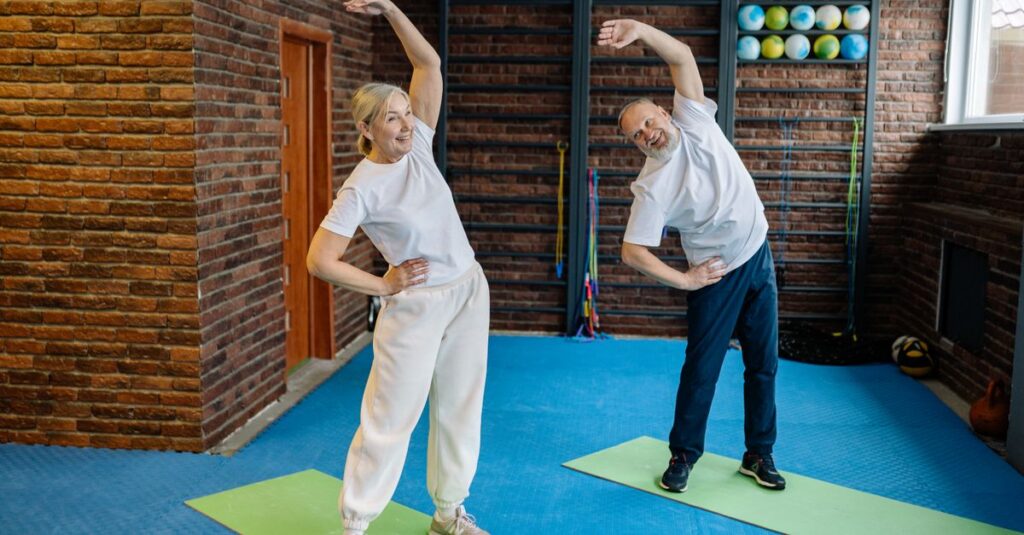
Elderly couple stretching on yoga mats in a home gym, embracing a healthy lifestyle.
BALANCE EXERCISES
Simple exercises that help improve stability, coordination, and confidence during daily movement.
Happy senior couple holding hands and walking across a pedestrian crossing in an urban street.
FALL PREVENTION
Practical strategies that help reduce fall risk and improve everyday safety.
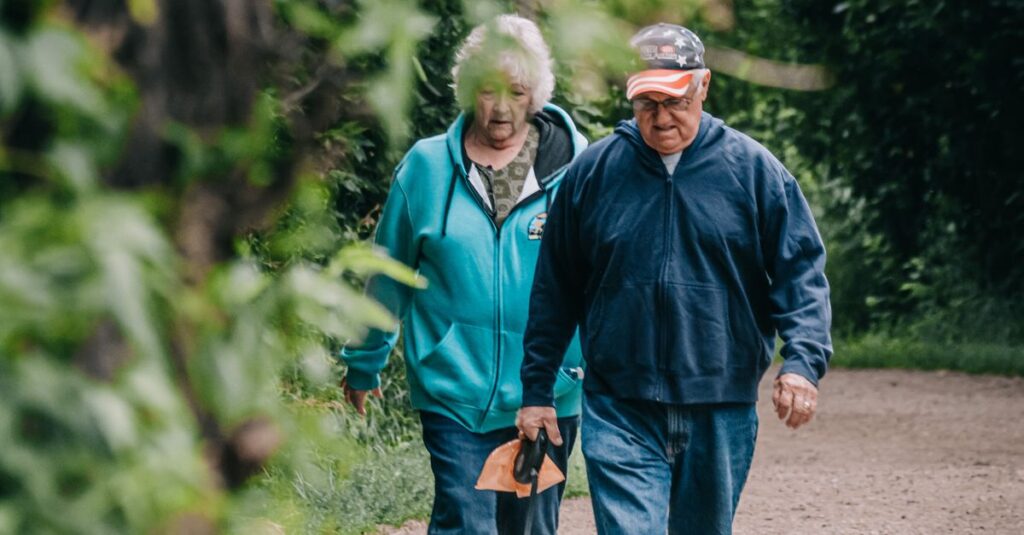
An elderly couple strolling with their pet dog in a scenic green park on a pleasant day.
HEALTHY BALANCE HABITS
Daily habits that support better balance, strength, mobility, and overall well-being.
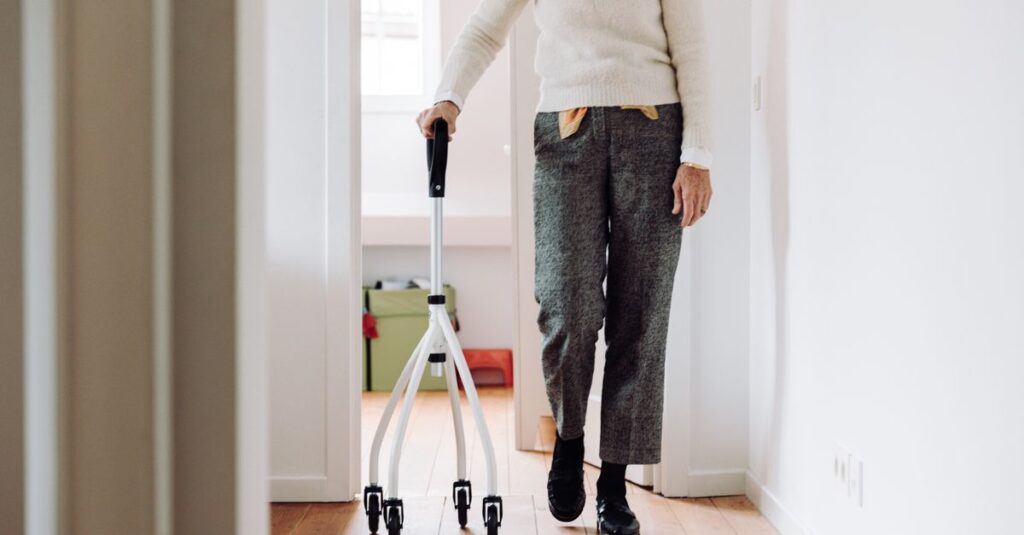
Senior adult walking indoors with a rollator, promoting mobility and independence.
DAILY BALANCE TIPS
Helpful advice for walking, climbing stairs, getting up safely, and moving with confidence.

WHY BALANCE CARE MATTERS

Better balance helps reduce fall risk, improve confidence, and support independent living throughout daily life.

  • Improve everyday stability
  • Reduce fall risk
  • Support safer movement
  • Build confidence while walking
  • Maintain long-term independence

What You'll Find

Practical resources that support healthier balance and safer everyday movement.

  • Balance exercise guides
  • Fall prevention tips
  • Walking improvement advice
  • Daily mobility strategies
  • Healthy lifestyle habits
  • Supportive product guides

Helpful Guides

Popular guides that support better balance, safer movement, and confident everyday mobility.
A senior man performing squats with dumbbells on a mat indoors for a healthy lifestyle.
BALANCE EXERCISES
Simple exercises that help improve stability, coordination, and confidence.
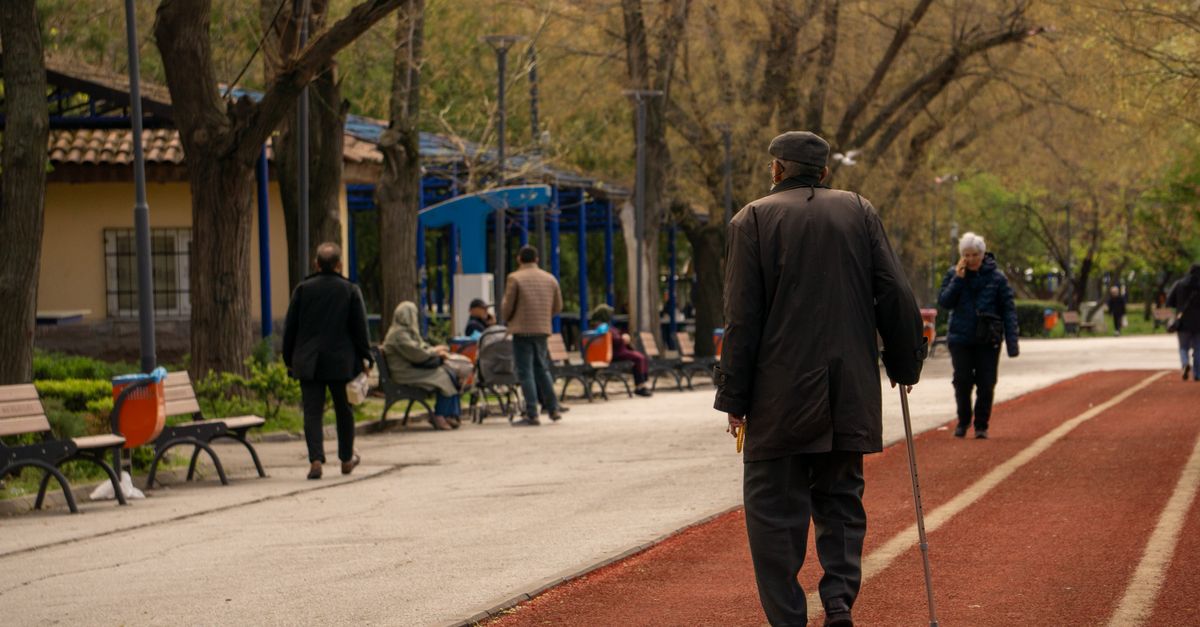
An elderly man with a cane strolls down a serene park path lined with benches and trees.
FALL PREVENTION
Practical ways to reduce fall risk at home and during everyday activities.
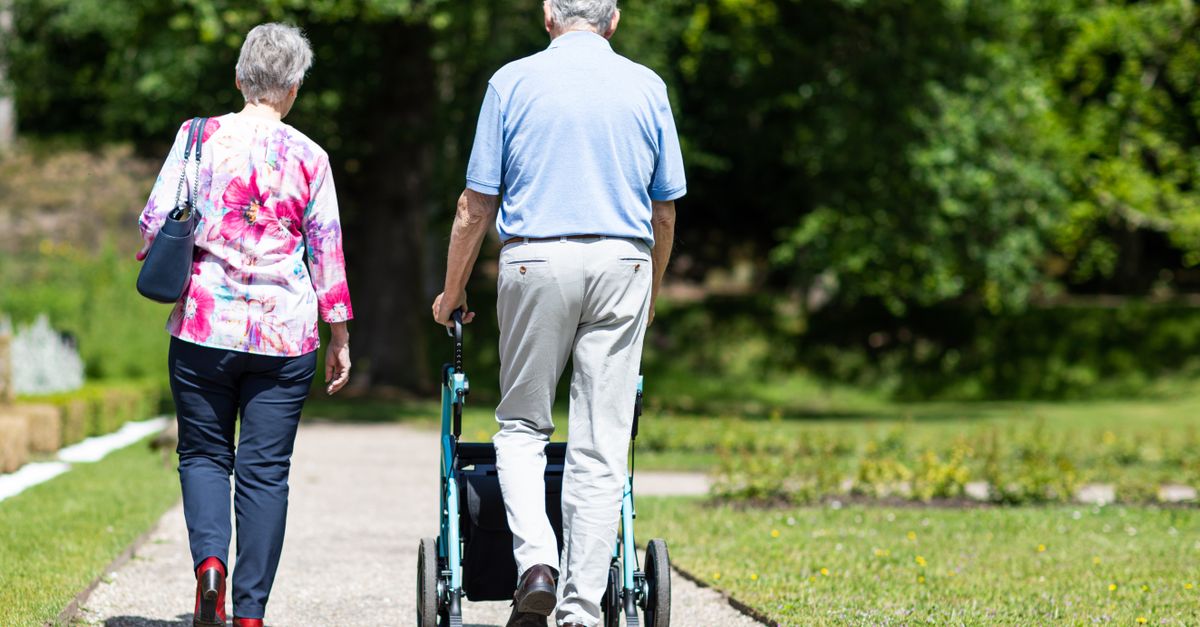
Senior couple walking in a park during summer, supporting mobility and togetherness.
WALKING SAFELY
Helpful tips for walking with greater balance and confidence.
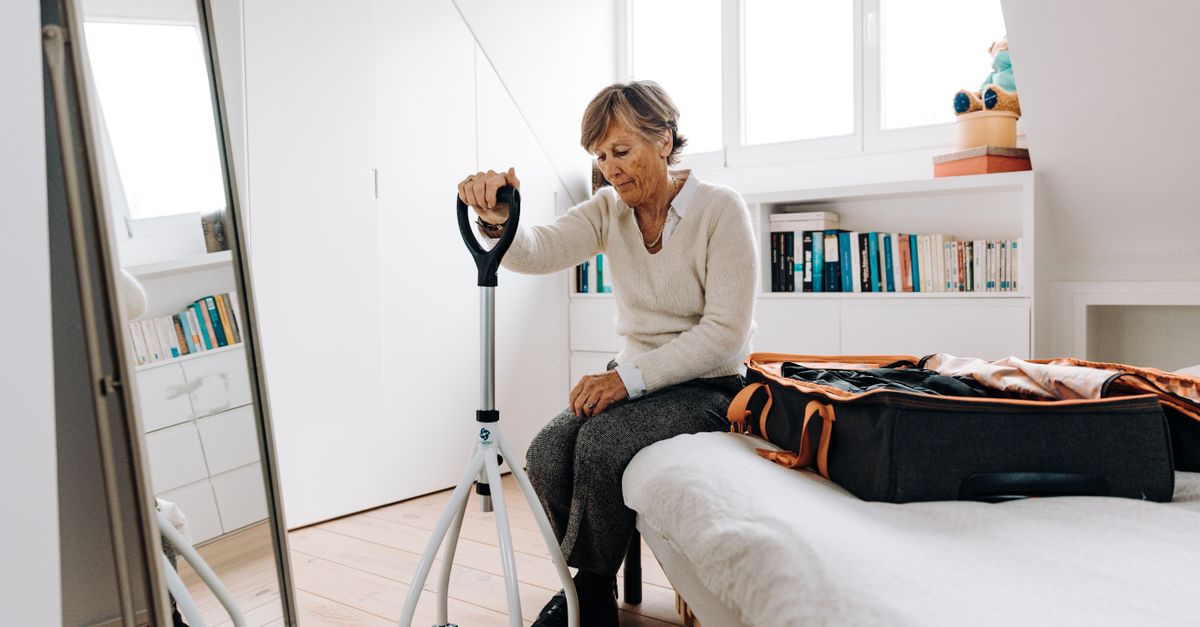
Senior woman sitting on bed with walker, preparing suitcase in bright bedroom.
DAILY BALANCE TIPS
Simple habits that support safer movement throughout the day.

Latest Articles

No posts found.

F.A.Q.

Balance disorders are conditions that affect your ability to stay steady while standing, walking, or moving.

Common causes include inner ear problems, aging, neurological conditions, medications, and injuries.

Yes. Balance exercises and strength training may help improve stability and coordination.

Simple standing exercises, walking practice, and strength exercises are commonly recommended.

Yes. Balance naturally changes with age, but regular activity can help maintain stability.

Improve home safety, wear supportive footwear, stay active, and practice balance exercises regularly.

Walking helps strengthen muscles and improve coordination, which may support better balance.

Walking canes, trekking poles, grab bars, non-slip mats, and supportive footwear may help improve safety.

See a healthcare professional if you experience frequent dizziness, repeated falls, or sudden balance problems.

Yes. Physical therapy often includes personalized exercises that improve balance, strength, and mobility.

BUILD BETTER BALANCE EVERY DAY

Healthy movement, practical exercises, and supportive resources can help improve stability, confidence, and everyday mobility.