



Active Recovery

Support your body’s recovery with gentle movement, practical recovery habits, and everyday strategies that help reduce soreness, restore energy, and keep you moving comfortably.

ACTIVE RECOVERY TOPICS

Find practical recovery strategies that help your body recover after exercise, daily activity, or long periods of sitting.
Senior woman enjoying a Nordic walk in lush green park setting.
Recovery Walking
Improve circulation and reduce stiffness with gentle walking and light movement.
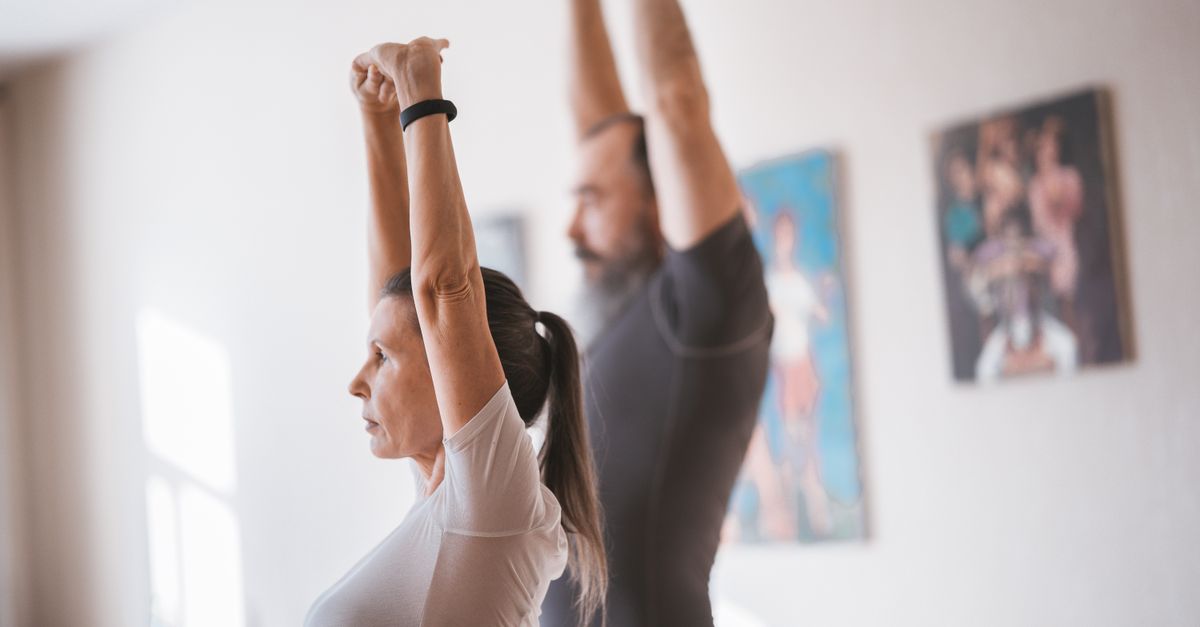
Elderly couple practicing yoga at home, promoting wellness and healthy lifestyle.
Gentle Stretching
Ease muscle tension and improve flexibility through simple stretches.
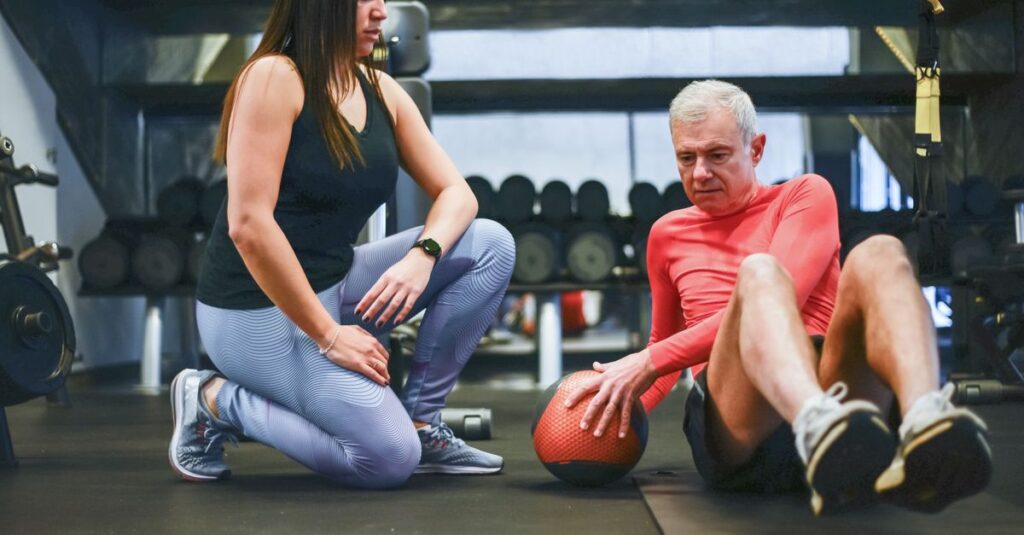
A senior man exercising with a personal trainer in a gym, focusing on core workouts.
Recovery Exercises
Support healthy recovery with low-impact movements for the whole body.
A man in sportswear bends over, stretching along a sunlit park path surrounded by trees.
Recovery Routine
Build daily habits that help your body recover consistently.

Why Active Recovery Matters

Active recovery helps your body recover through light movement instead of complete rest. Gentle activity improves circulation, reduces muscle soreness, and supports comfortable everyday movement.

  • Improve circulation
  • Reduce muscle soreness
  • Support flexibility
  • Restore joint mobility
  • Stay active safely

What You'll Find

Practical resources that support recovery after exercise, reduce everyday stiffness, and help you build healthy recovery habits for long-term movement.

  • Recovery exercises
  • Walking routines
  • Gentle stretching
  • Foam rolling tips
  • Recovery schedules
  • Daily recovery habits

Helpful Guides

Practical guides that help reduce soreness, improve recovery, and support comfortable everyday movement.
Athletic woman stretching her arms outdoors against a classic architectural backdrop.
Recovery After Exercise
Simple recovery tips to reduce soreness and help your body recover after physical activity.
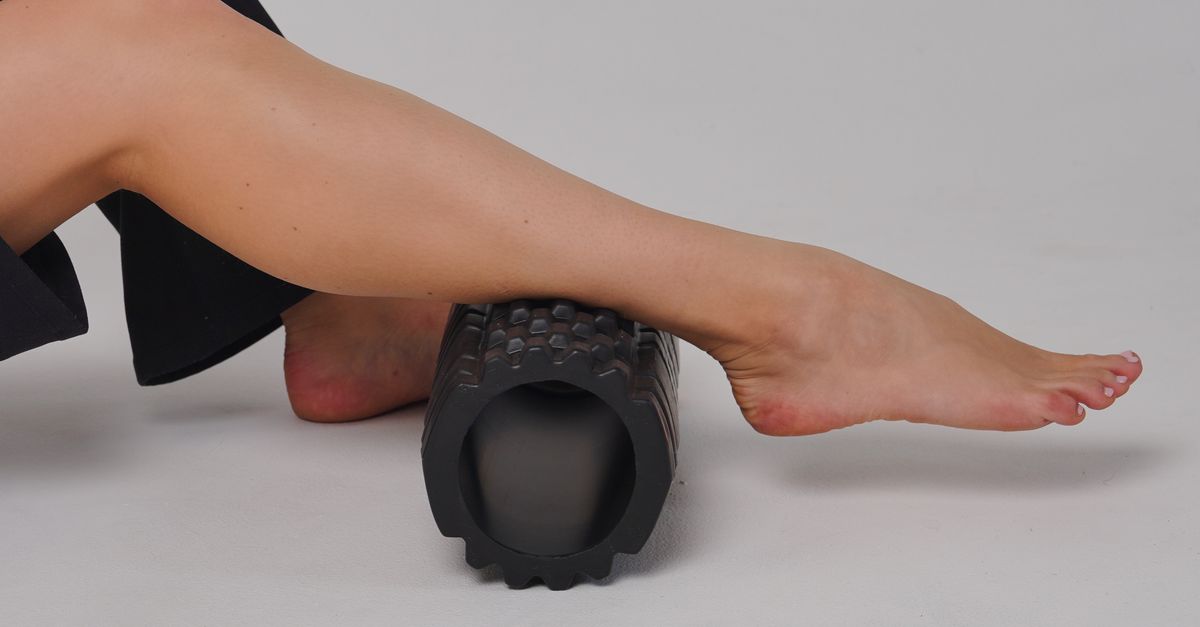
Close-up of a leg using a foam roller for stretching and muscle relief in a studio setting.
Foam Rolling Benefits
Foam rolling techniques that may help reduce muscle tightness and improve recovery.
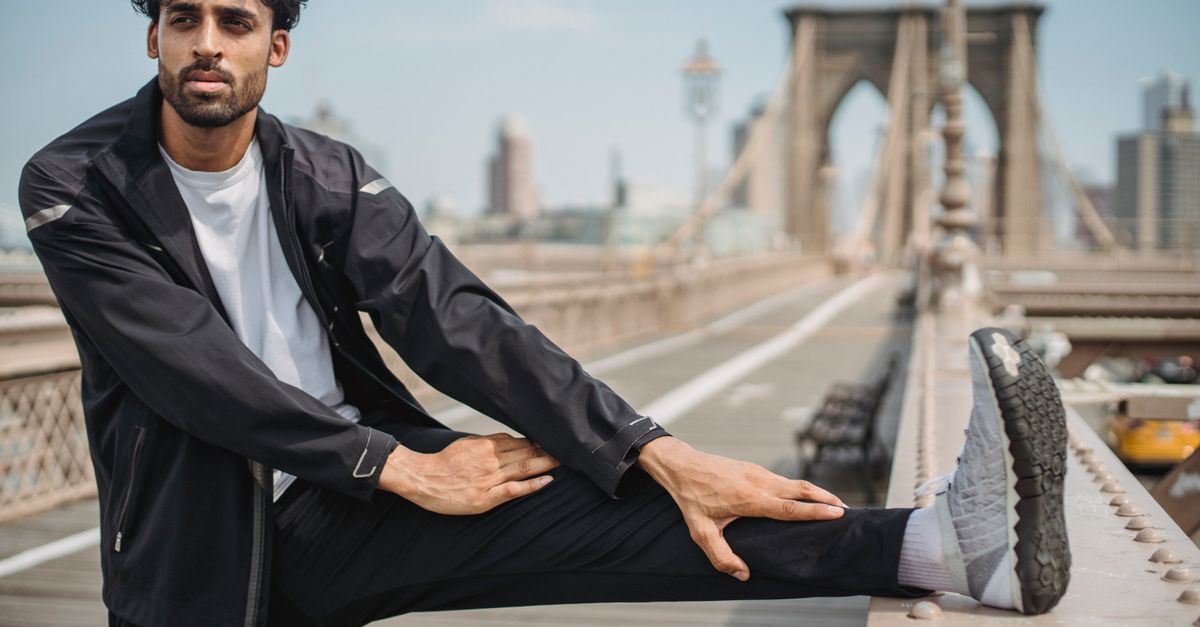
Man in sportswear stretching on the iconic Brooklyn Bridge, NYC.
Stretching After Walking
Gentle stretches that help reduce stiffness and support comfortable movement after walking.
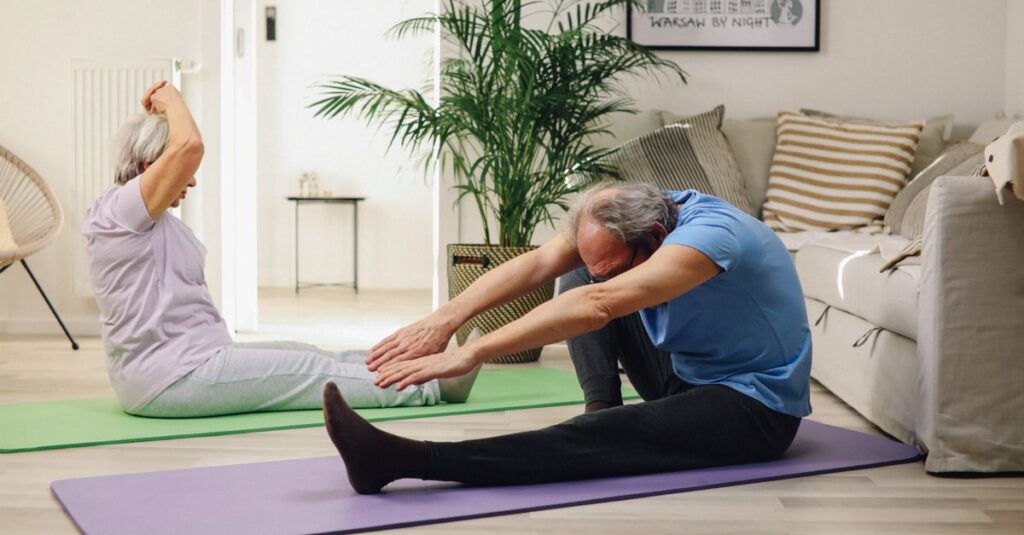
Elderly couple stretching together indoors for a healthy lifestyle routine.
Daily Recovery Habits
Simple habits that support recovery, improve mobility, and keep your body moving comfortably.

Latest Articles

Hello world!

Welcome to WordPress. This is your first post. Edit or delete it, then start writing!...

F.A.Q.

Active recovery is light physical activity performed after exercise or on rest days. Gentle movement such as walking, stretching, or mobility exercises can help improve circulation, reduce muscle soreness, and support your body’s natural recovery process.
Yes. Easy walking is one of the most effective forms of active recovery. It promotes blood flow, reduces stiffness, and helps your body recover without placing excessive stress on your muscles and joints.
Active recovery may help reduce muscle soreness by improving circulation and keeping muscles moving gently. While soreness is a normal part of exercise, light activity can often feel more comfortable than complete inactivity.
Common active recovery exercises include walking, gentle stretching, yoga, mobility exercises, easy cycling, and light swimming. The goal is to stay moving without creating additional fatigue.
Most active recovery sessions last between 20 and 40 minutes. The ideal duration depends on your fitness level, recent activity, and how your body feels.
Gentle stretching can be a helpful part of an active recovery routine. Stretching may improve flexibility, reduce muscle tightness, and help you move more comfortably throughout the day.
Complete rest is appropriate after very demanding workouts or when recovering from illness or injury. For many people, light movement on recovery days can help support circulation and maintain mobility.
Yes. Gentle recovery activities such as walking, stretching, and balance exercises can support mobility, flexibility, and everyday movement for older adults. Activities should always match individual abilities and health conditions.
Many people benefit from one or two active recovery days each week, especially after higher-intensity exercise. Listening to your body and adjusting your routine is the best approach.
Seek medical advice if you experience severe pain, swelling, loss of movement, or symptoms that do not improve with rest and gentle activity. Persistent discomfort should be evaluated by a qualified healthcare professional.

SUPPORT YOUR RECOVERY

Healthy recovery habits help reduce soreness, improve mobility, and keep you moving comfortably every day.